OFFICIAL FIELD ARCHIVE
KITCHEN ERGONOMICS & RUSH-HOUR OPTIMIZATION

Rush Hour Kitchen Flow & Speed Strategy for Japanese Ramen Simulator (2026)

Master the 12:00 and 19:00 dinner rush. FIFO ticket management, 45° 5-shake noodle drainage, dual-vat noodle boilers, and sub-45s ticket clearance.

4 Core Rush Hour Flow Metrics

Target Ticket Clear Time< 45 Seconds

Golden standard from order bell to customer table

Noodle Boiler Up-Time95%+

Dual-vat staggered drops eliminate waiting dead-time

Noodle Water Shake-Off-85% Moisture

45° 5-shake wrist snap prevents broth dilution

Rush Hour Revenue Spike3.4x Baseline

12:00–13:30 / 19:00–21:00 dense revenue windows

4-Step Rush Hour Kitchen Workflow (SOP)

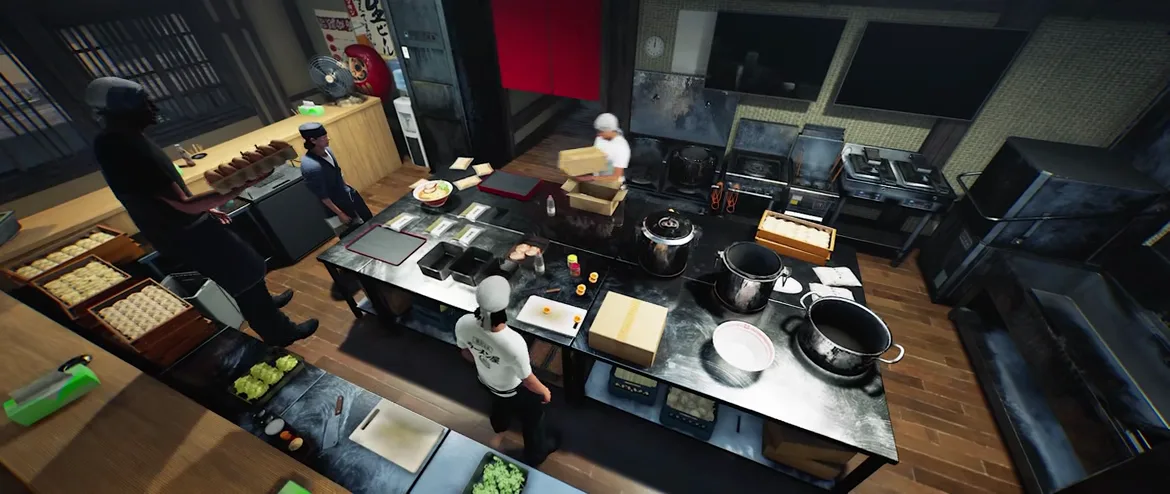
Japanese Ramen Simulator kitchen prep counter with stacked ramen bowls and partitioned ingredient trays
STEP 01

Step 1: 11:30 Pre-Rush Staging & Bowl Warming (PREP)

Before the 12:00 rush, stabilize broth at 92°C and portion 20 servings each of diced chashu, ajitama, menma, and scallions into shallow trays. Warm bowls to 40°C on the overhead warmer rack.

📸 Pre-rush staging station. Preheated bowls and partitioned toppings prevent rush bottlenecks.
Japanese Ramen Simulator ticket rail displaying active orders above bubbling broth pots
STEP 02

Step 2: FIFO Order Rail Prioritization & Dual-Timer Sync

Slot tickets in strict First-In, First-Out (FIFO) sequence from left to right. Batch identical broths together with twin ladle pours. Sync Vat A (55s thin noodles) and Vat B (110s thick noodles) timers.

📸 Order ticket rail and broth station. Grouping identical broths clears batches rapidly.
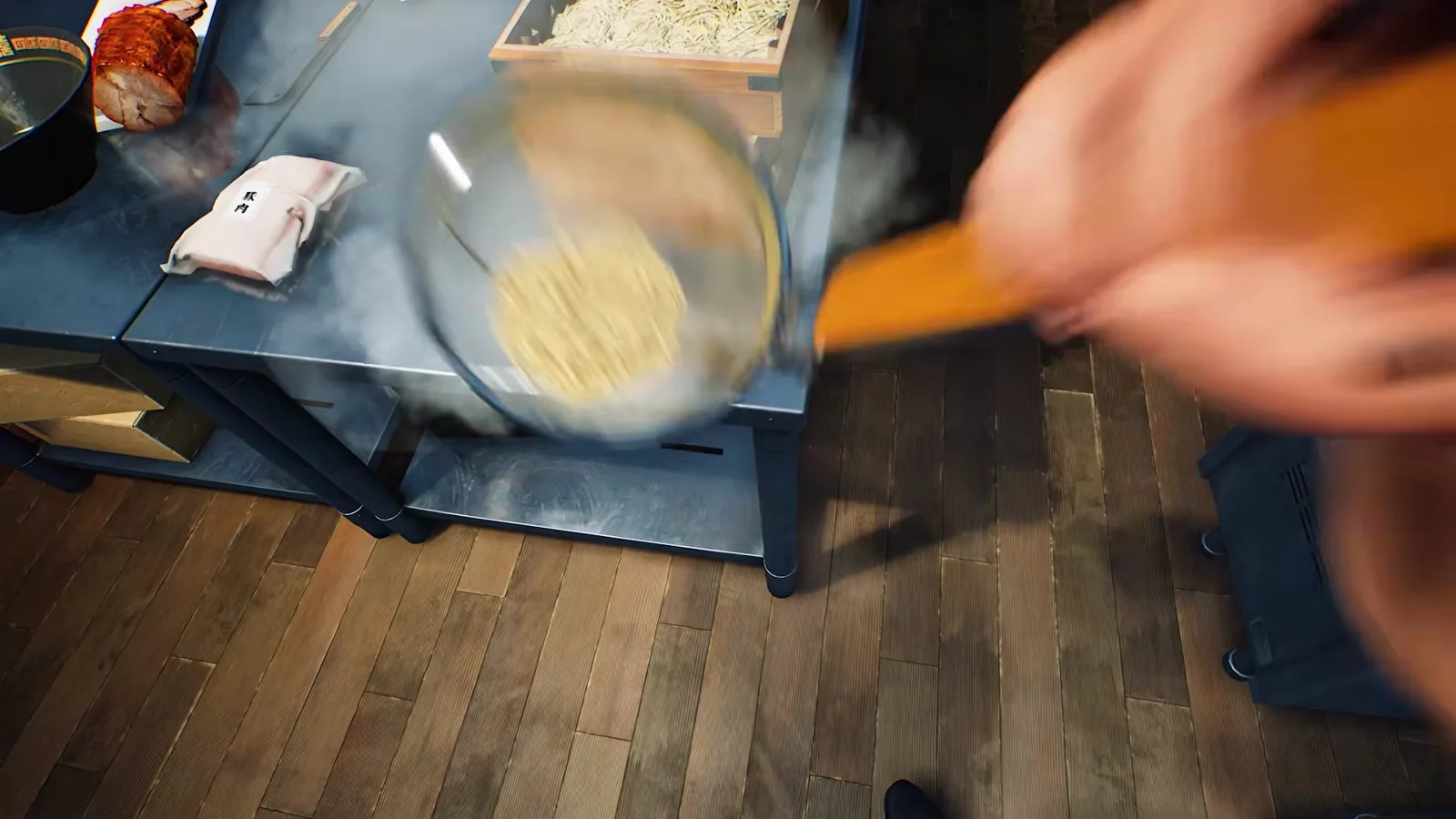
Japanese Ramen Simulator chef shaking mesh noodle strainer over boiling water vat with steam rising
STEP 03

Step 3: 45° 5-Snap Noodle Strain & Broth Fold

Lift the mesh basket on the beep, angle at 45°, and execute 5 sharp wrist snaps over the vat to expel 85% of boiling water. Slide noodles into broth and fold once clockwise with long chopsticks.

📸 45° wrist snap over the noodle vat. Removes excess starch water to preserve rich broth emulsification.
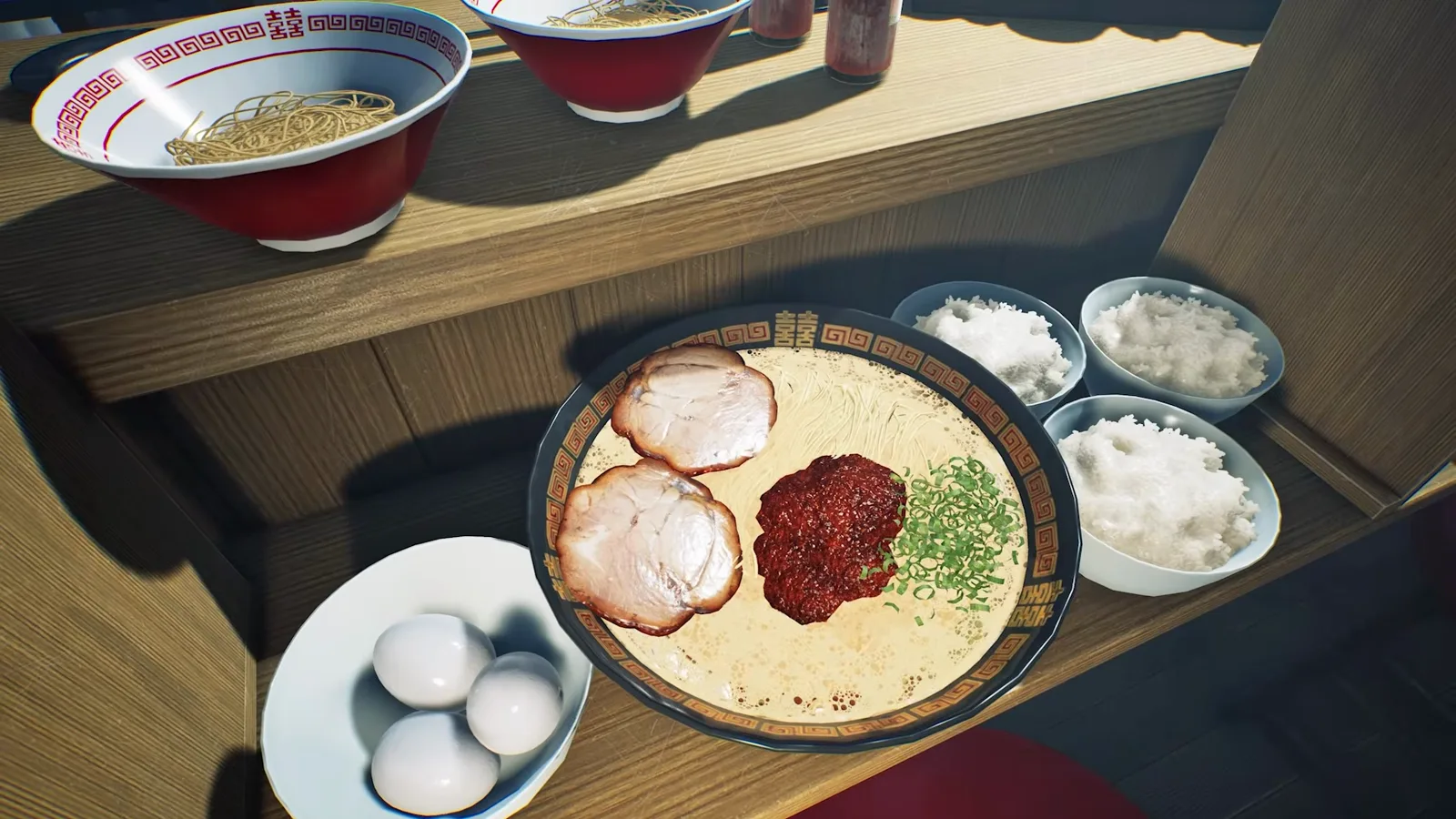
Japanese Ramen Simulator pass counter delivering finished steaming ramen bowls to waitstaff
STEP 04

Step 4: 5-Second Assembly Pass & Sub-45s Table Delivery

Garnish with chashu, egg, menma, and nori in under 5 seconds. Push to the pass window for immediate server delivery. Sub-45s delivery triggers the Perfect Speed multiplier.

📸 Service pass counter. Fast assembly and streamlined passing achieve maximum table turnover.

Frequently Asked Questions (FAQ)

Q1.How do I stop angry customer walk-outs during peak rush?

Never start boiling water after an order arrives. Keep broth holding at 92°C, pre-drop noodle baskets, and batch identical orders.

Q2.How do I distinguish noodle hardness requests quickly?

Tickets show color-coded tags (Red = Firm 55s, Blue = Normal 80s). Use number key hotkeys to toggle timer presets instantly.

Q3.What is the most efficient solo kitchen layout?

Arrange Noodle Vat → Tare & Broth → Topping Station → Service Pass in a counter-clockwise U-shape to minimize player movement steps.

Q4.What should I do if dishwashing cannot keep up with bowl demand?

Purchase a buffer of 15 extra bowls before the rush, or upgrade to Dishwasher Lv.2 to cut wash cycles to 12s.

Q5.What is the ideal division of labor in co-op multiplayer?

Host = Head Chef (Boiling & Broth), Player 2 = Sous Chef (Toppings & Sides), Player 3 = Server (Delivery, Cashier, Dishes).